Attorney Andrew Mishlove breaks down the Tony Romo OWI arrest and what it reveals about how these cases actually work in Wisconsin.
I'm Andrew Mishlove of Mishlove and Stuckert, Wisconsin's leading drunk driving defense firm. I recently recorded a video discussing the Tony Romo arrest, and I want to put those same thoughts in writing here, because this case shows how OWI/DUI prosecutions really work in our state.
First, this is not my case, and Tony Romo is not my client. He is presumed innocent. Everything I discuss is based on publicly reported information, and I think he deserves the benefit of the doubt. I'm breaking it down because the questions his case raises are the same ones I ask in every OWI/DUI file that crosses my desk.
The Arrest
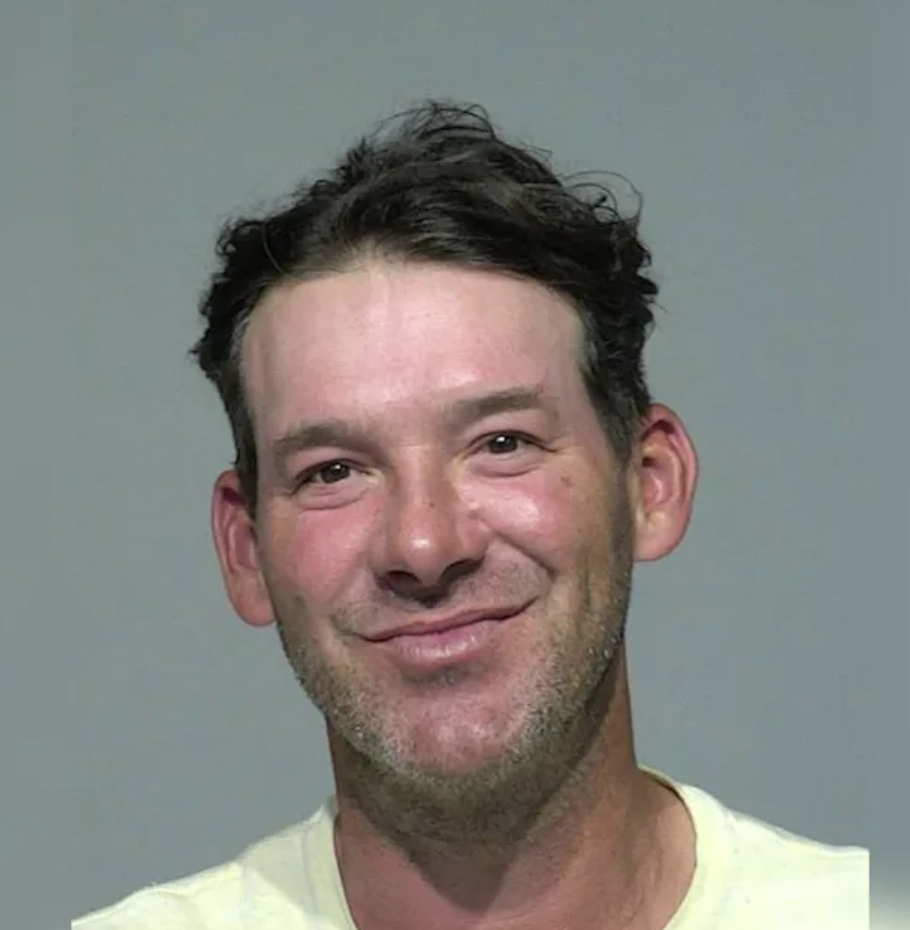
Tony Romo's booking photo following his July 2026 OWI arrest in Milwaukee County. Booking records are public. Mr. Romo is presumed innocent.
Tony Romo, the former Dallas Cowboys quarterback and CBS broadcaster, was arrested for OWI in Milwaukee County, my county, on July 23, 2026. According to news reports, he was driving on Interstate 43 in the early evening, sometime between 6:00 and 6:30, still in daylight. He had just come from competing in the Wisconsin Amateur Championship at the West Bend Country Club.
He was stopped by the Milwaukee County Sheriff, and he is now reported to be charged with two things: First-offense OWI and refusing to submit to a test, which is a separate offense in Wisconsin.
Beyond that, the details are still thin. We don't yet know why he was stopped or exactly what happened at the roadside. The Milwaukee County Sheriff usually has body camera and squad car video, and those records, along with the police reports and lab records, are largely public. I expect we'll learn a lot more as the case moves forward, and we'll be following it closely. Until then, here is the framework I'd apply.
Reasonable Suspicion
An OWI case actually turns on two separate legal steps, and it's worth keeping them apart. First, the officer needs a lawful reason to make the traffic stop at all, usually a specific traffic violation or an equipment problem. Police aren't allowed to pull you over simply because they feel like it. We are presumed free to go about our business unless there is a specific, articulable reason.
Second, before an officer can extend that stop into a drunk-driving investigation, ordering you out of the car for field sobriety tests, the law requires separate reasonable suspicion that you're actually impaired. That's where observations like bloodshot eyes, slurred speech, an odor of alcohol, or poor balance come in. We don't yet know why Tony Romo was stopped, or what the officer observed that supposedly justified going further. But "the officer said so" is not the end of the inquiry. It's the beginning of it.
Here's a real example of why that matters. A little over a year ago, I had a client stopped for swerving on that very same stretch of I-43. When we obtained the videos, the only reason his car had moved within its lane was that a truck beside him was crowding it. I got that case thrown out. Whether Tony Romo has that kind of issue in his stop, I don't know, but it's exactly the kind of thing a good defense lawyer looks for.
Field Sobriety Tests
Reports say Romo performed poorly on field sobriety tests. I don't know whether that's true, and neither does anyone else who wasn't there. What I do know, after reviewing thousands of these videos and police reports, is that the video very often does not match what the report claims.
Standardized field sobriety tests are not exercises an officer makes up on the spot. They are a nationally standardized system with specific clues, a specific scoring method, and specific rules for how each test must be administered and explained. The three standardized tests are:
In my experience, officers frequently get the administration wrong. When a test isn't given correctly, that can undermine how much weight the results deserve, no matter what the report says.
Testing & Refusal
There are two very different kinds of alcohol samples in a Wisconsin OWI/DUI case, and people confuse them constantly:
I don't yet know whether the official request in Romo's case was for breath or blood; that's one of the things we'll find out. Either way, he's reported to have refused to submit to that official request, which is why refusal appears as a separate offense. It's worth understanding what usually follows a refusal: police can get a warrant very quickly these days, often a judge on the phone and a warrant sent to the squad car, and then draw blood anyway. So in many refusal cases, the state ends up with the blood and a refusal charge.
A refusal carries a more severe driver's license penalty than the OWI itself. But it's also negotiable. Typically, if someone pleads guilty to the OWI, Wisconsin prosecutors will dismiss the refusal. That's common, though never guaranteed, and whether it's the right move depends entirely on the case.
Wisconsin Law
Here is the part that surprises people from out of state. Wisconsin is the only state in the country, and possibly the only jurisdiction on Earth, where a first-offense drunk driving charge is not a criminal offense. Absent something like an injury or a child in the car, a first OWI here is a traffic ticket. It's the worst traffic ticket you can get, but it carries no jail time, no criminal case number, and no criminal record.
The Good News
Because a first offense isn't a crime here, there's no jail time, no criminal case number, and no criminal record. Tony Romo isn't facing the prospect of being labeled a criminal.
The Catch
"Not criminal" does not mean "minor." You can still lose your license, pay fines, and watch your insurance climb. Wisconsin has no diversion or first-offender programs, and the offense counts as a prior, so a second OWI becomes a crime. It is not something you can simply make go away.
In my experience, the thing most likely to move a prosecutor is a weakness in their own case. They often won't reduce a charge unless they think they might lose it. That's why the evidence, the stop, the testing, and the lab work are everything.
The Lab
If the state took Romo's blood, the questions don't stop at the roadside. Was the blood drawn properly so it wasn't contaminated? Was it stored, refrigerated, and transported correctly? In my experience, I see problems somewhere in that chain more often than you'd think. This is the part of a case I pay the closest attention to; I also teach a class on lab problems to other lawyers at the University of Texas at Arlington, sponsored by the National College for DUI Defense.
Then there's the lab itself, and this is where I'd focus. Just this year, after nearly 20 years of using GC-FID (gas chromatography with flame ionization detection) to test blood alcohol, Wisconsin switched to a much more complex system that adds mass spectrometry, GC-FID/MS. That change isn't twice as complicated; it's exponentially more complicated.
Whenever a lab switches testing methods, analytical chemistry requires a formal, rigorous process called method validation. It's complicated, time-consuming, and expensive. Did the state do it correctly? We don't know yet. My firm is auditing that method validation right now, and I'm not aware of any other firm in the state doing the same.
These are the questions that can decide cases, and they're the ones almost nobody is asking.
What It Means for You
Tony Romo's case will get attention because of who he is. But everything I've laid out here applies to any driver charged with OWI/DUI in this state. The reason for the stop, how the field sobriety tests were given, whether a refusal can be negotiated, and whether the blood was drawn and tested correctly, these are the details that actually make the difference.
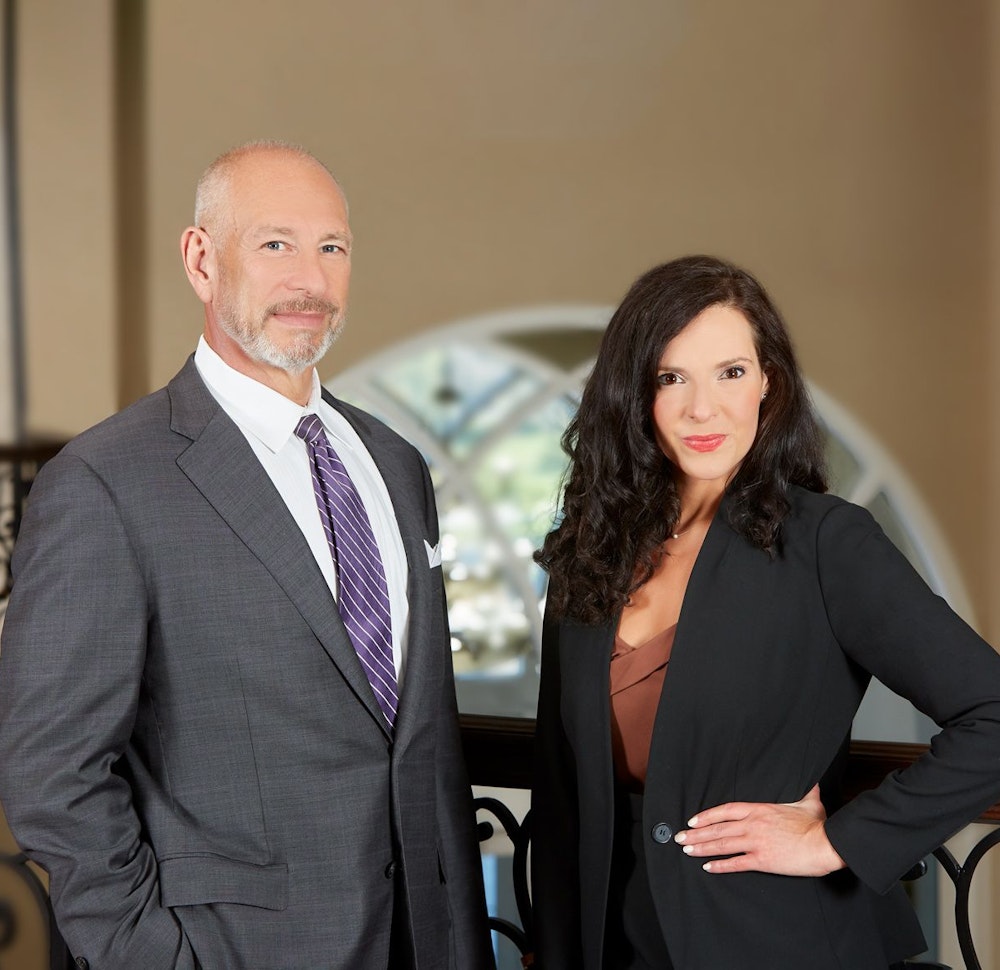
My partner Lauren Stuckert and I are going to keep following this case on our channel, and we'll keep an eye on the videos, reports, and lab records as they become public. In the meantime, if you or someone you love is facing an OWI/DUI in Wisconsin, I'd be glad to look at what actually happened.
Talk with an experienced Wisconsin OWI/DUI defense team about the stop, the testing, and the records in your case. Consultations are free.
You can also learn more about how we defend Wisconsin OWI/DUI charges, read about a first-offense OWI, or visit our homepage.
Mishlove & Stuckert, LLC Attorneys at Law has been rated the #1 OWI/DUI law firm in the state by Wisconsin Law Journal Reader Rankings. Our OWI/DUI specialists have been highly rated by organizations including:
To speak with one of our board-certified OWI/DUI defense specialists, request a consultation online or call us at (414) 332-3499.
Locations
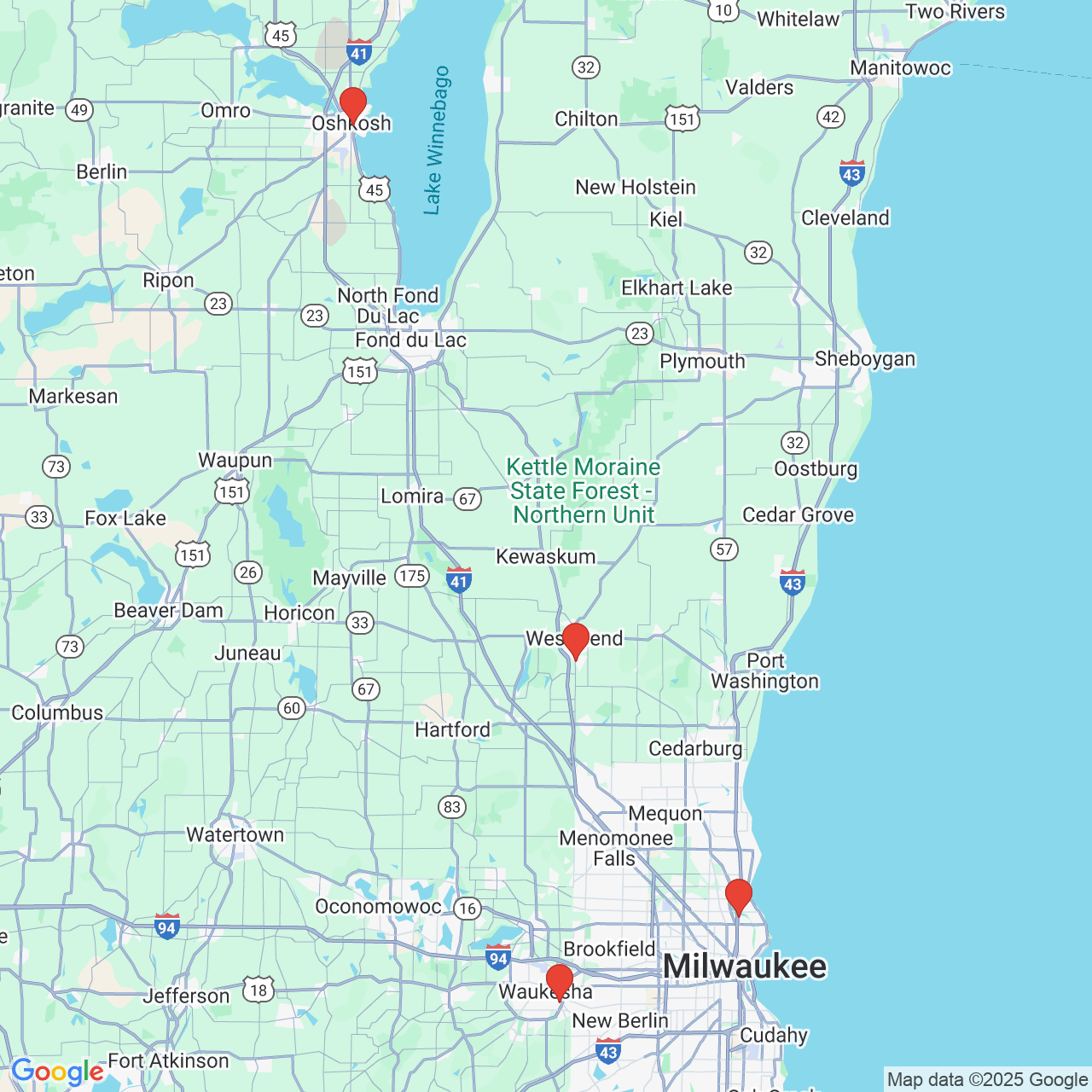
We have 4 locations in Wisconsin.
"Mr. Mishlove was worth every penny and then some. I would consider him the Michelangelo of the DUI defense world.
He is professional, dedicated, and pours his heart into his job. I would give him 10 stars if I could." Ronald S.