In Wisconsin, it is illegal for a driver to operate a motor vehicle while impaired by an intoxicant. When this occurs, it's called "operating while intoxicated," or "OWI." However, the definition of impairment varies depending on what's consumed by the driver.
Driving under the influence of an intoxicant can result in an operating while intoxicated charge. A driver is considered alcohol-impaired if their blood alcohol concentration (BAC) is 0.08% or higher. In addition, it is illegal to drive with a prohibited alcohol concentration which is why many people get two separate drunk-driving charges.
Wisconsin law takes your BAC into consideration if you have been charged with operating a motor vehicle under the influence. For example, if you are convicted of driving with a BAC of 0.15% or higher as a first offense, the use of an ignition interlock device (IID) becomes mandatory. Also, all Wisconsin counties are members of a judicial district that has OWI sentencing guidelines. The main factor in the OWI sentencing guidelines for any offense is the alcohol level.
Wisconsin has a zero-tolerance stance against driving under the influence of restricted controlled substances, which includes all illicit drugs. While neighboring states such as Michigan and Illinois have decriminalized the recreational use of marijuana, there is close to zero tolerance for certain controlled substances in Wisconsin. “Any detectable amount” of delta-9 THC in your system can result in a charge of DWI.
The phrase “any detectable amount” is defined as one nanogram per milliliter of blood, which is no more than a trace amount. Mishlove and Stuckert has had amazing success defending “trace amount” accusations.
If controlled substances such as prescription medications and over-the-counter drugs such as cough medicines impair your ability to operate your vehicle, you may also face a charge of OWI or DUI/DWI.
The majority of people arrested for drunk driving in Wisconsin are facing their first offense. Many first-time offenders do not go on to receive a second offense, but those who do face stiff penalties including increased fines, license revocation, and the mandatory use of an ignition interlock device, among others.
In Wisconsin, a fourth-offense DUI/OWI charge is a felony. In addition to a potential prison sentence, a fourth offense charge carries a mandatory lifetime license revocation, with no occupational permit for at least 10 years. Additionally, the blood alcohol content threshold is reduced to 0.02% for someone with three or more OWI charges, making it easier to face these consequences.
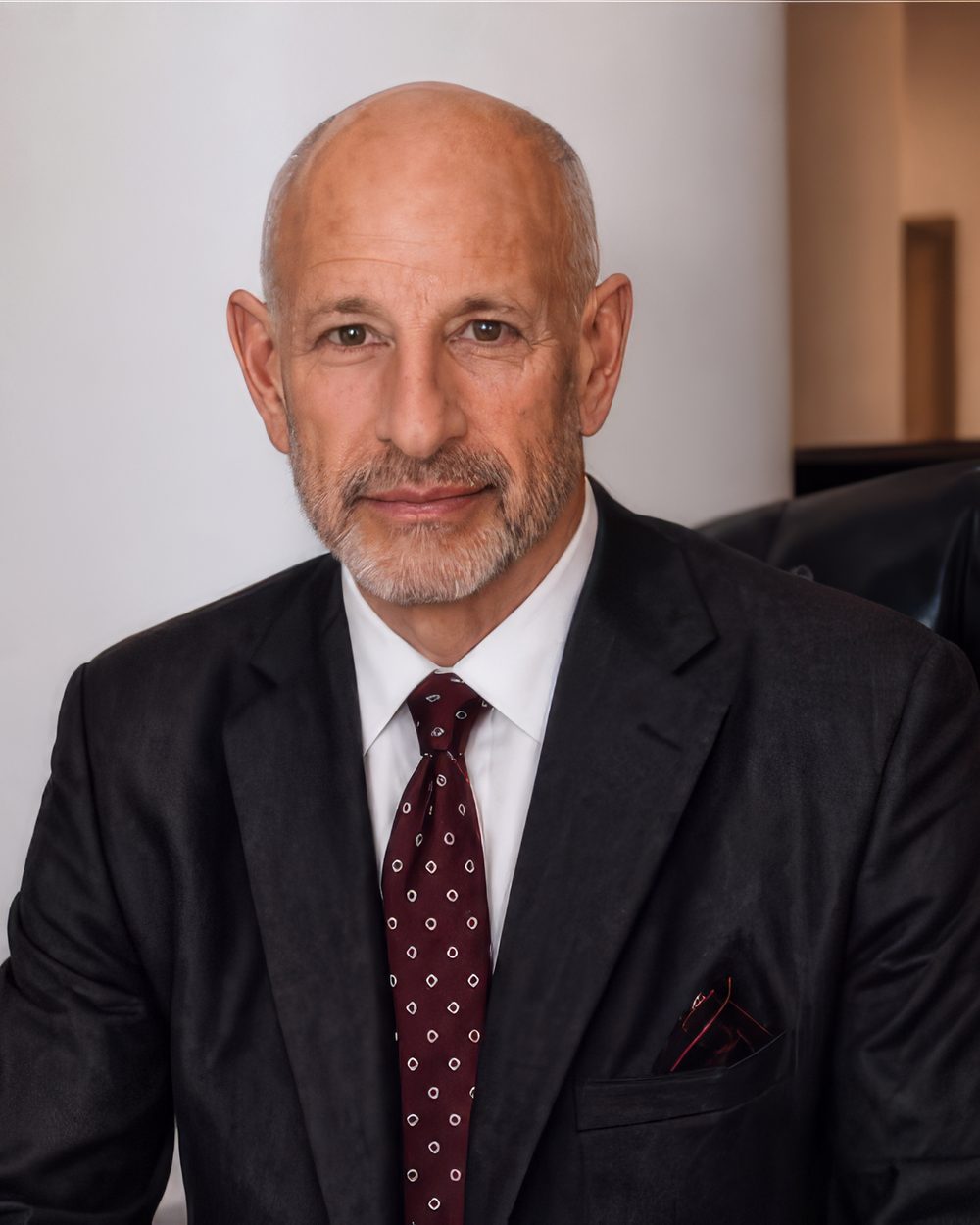
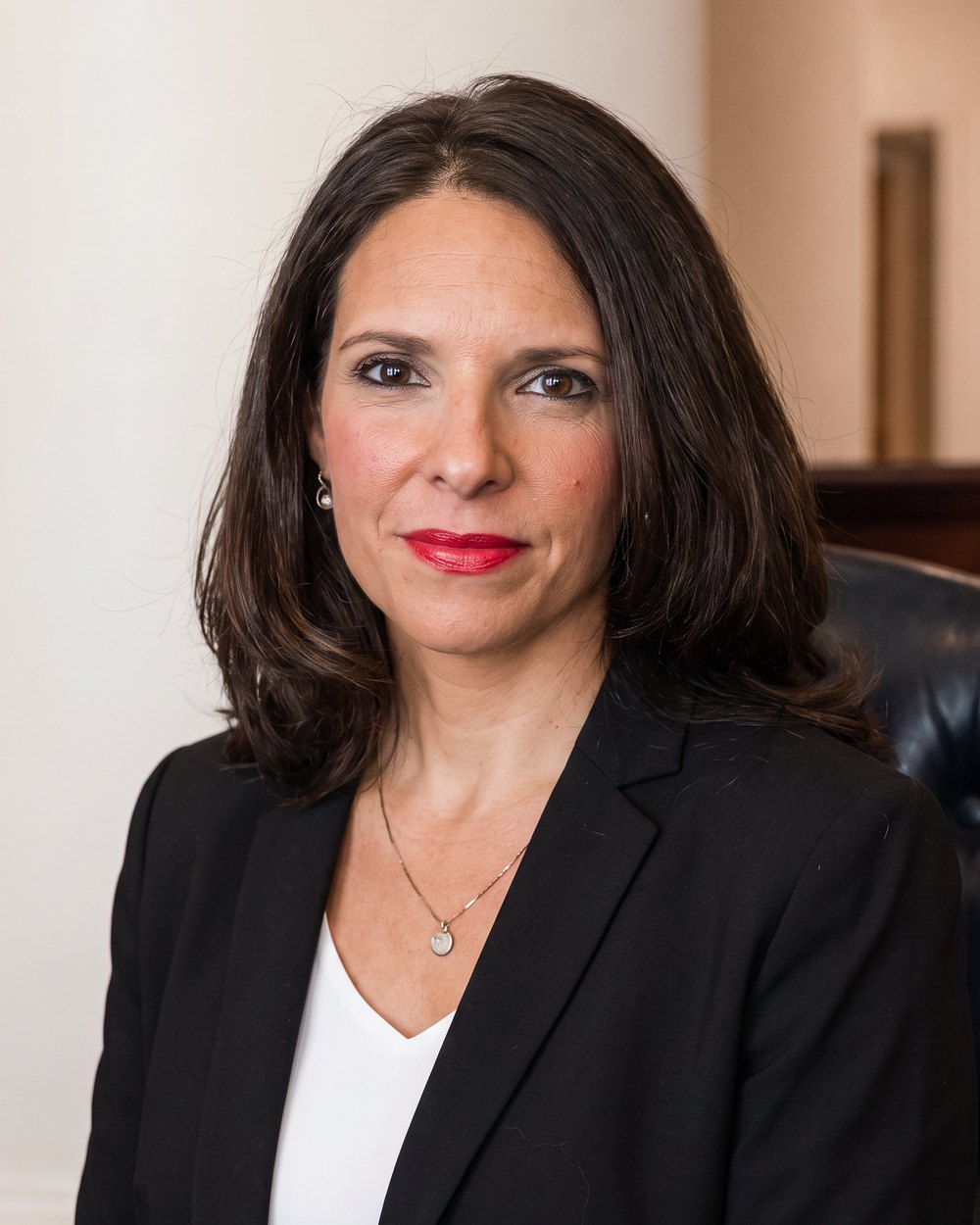
Andrew Mishlove and Lauren Stuckert are two of fewer than 70 attorneys in the nation who are board-certified DUI defense lawyers. Their extensive training can help you achieve the best outcome in your case. Trust your case to authorities in DUI and OWI law.
Since 1981, Andrew Mishlove has helped those in Wisconsin facing OWI charges. Respected by his peers in both Wisconsin and throughout the United States, Mr. Mishlove and his partner, Lauren Stuckert, are Wisconsin's only board-certified drunk driving defense specialists. Since opening his practice, Andrew Mishlove has become one of the nation's preeminent experts in the field of DUI defense.
Mr. Mishlove has trained in the science of blood, breath, and urine testing evidence at the National College for DUI Defense. DUI attorney Andrew Mishlove has even taught other lawyers across the nation in this intricately detailed and highly specialized field of law. In 2014, Mr. Mishlove and James Nesci published the Wisconsin attorney's manual for OWI defense, Wisconsin OWI Defense: The Law & Practice. In May 2020, Mr. Mishlove and James Nesci published the second edition of this must-have textbook for Wisconsin lawyers on how to defend an OWI case.
Mr. Mishlove is the creator and course director for the Serious Science Blood Analysis courses taught at the Shimadzu Laboratory at the University of Texas-Arlington. This is America’s leading series of courses for lawyers on blood analysis and trial advocacy. Lawyers come from all over the world to attend and study with Mr. Mishlove and the expert faculty of the Serious Science courses. DUI attorney Andrew Mishlove can put his extensive knowledge in the field of Wisconsin OWI to work for you to create a successful defense if you have been accused of operating a motor vehicle while intoxicated.
For those in Wisconsin who face charges of driving under the influence of drugs or alcohol-impaired driving, Mrs. Stuckert concentrates her practice on complex drug and alcohol OWI litigation. Mrs. Stuckert's approach to defending those accused of OWI, DUI, and DWI offenses is based on the science of blood and breath test results. She continues to receive specialized scientific training in order to provide her clients with the apt representation they need.
Lauren Stuckert became the first attorney in Wisconsin to receive a certificate in Forensic Chromatography Blood Alcohol Analysis from the American Chemical Society at Axion Laboratories in Chicago. Mrs. Stuckert has also completed the Forensic Solid Drug Analysis course through the ACS. Her expertise in lab test results is second to none. She has the strongest track record in the state of Wisconsin when it comes to challenging BAC and drug lab test results in OWI cases.
Like her law firm partner, Lauren Stuckert is a board-certified DUI Specialist. This distinction is the highest credential a DUI-OWI lawyer can attain. With the ever-increasing technical nature of drunk driving and driving while intoxicated cases, an attorney with the proper technical training and expertise is necessary to provide a strong defense for clients. DUI attorney Lauren Stuckert has a record of success that demonstrates her dedication to her clients.
While police officers are trained in the execution of field sobriety tests (FSTs), many factors can lead to mistakes. First and foremost, it is common for police officers to administer these exercises incorrectly. They often give poor instructions, perform bad demonstrations, and score clues improperly. While it is important for public safety to establish tests to determine if someone is too inebriated to drive, in practice FSTs are often inaccurate. A police officer is using their training for these tests to establish probable cause, but just because someone fails a sobriety test does not necessarily mean that they are under the influence of an intoxicant or too impaired to operate a motor vehicle.
A person with poor balance or any number of legitimate medical issues may not pass a FST and can end up facing serious charges that can have a significant impact on their quality of life. Meanwhile, a person with a high tolerance for alcohol may pass a FST even if legally above the limit. These are just two examples of the flaws inherent in field sobriety tests. Andrew Mishlove and Lauren Stuckert have both taken the same FST training as the police and are certified in FST administration. They are experts in the protocol surrounding these tests and have successfully demonstrated the shortcomings in courts throughout Wisconsin.
Commercial drivers have a great deal on the line when it comes to a DUI charge. A commercial driver's ability to provide for themself and their family is directly tied to their ability to drive. As professional drivers, the penalties related to a commercial driver's license and driving under the influence can have a devastating effect, possibly leading to the end of a career.
On the lowest end of the scale, a commercial driver found with any measurable alcohol concentration while driving, possession of alcohol in their vehicle, or found driving within four hours of consuming alcohol is put out of service for 24 hours and will incur three demerit points on their driving record. The threshold for a citation is greatly reduced for commercial drivers as well. A BAC between 0.04% and 0.08% is viewed as a first offense and could mean a suspension of up to three years of their commercial driver's license (CDL). A second offense can mean up to six months in jail and a lifetime disqualification of their CDL, according to the DOT-Bureau of Transportation Safety.
If you are a commercial driver who is facing a license revocation, the OWI specialists at Mishlove and Stuckert, Attorneys at Law may be able to save your license and your career.
If you are convicted of a first-time driving offense, the answer is generally no. Wisconsin is the only state in which first-offense drunk driving charges are not considered criminal. However, factors like whether a minor was in the vehicle or someone was hurt can mean a criminal charge. Regardless of the nature of your charges, you should contact an attorney to help you build a solid defense.
Mishlove & Stuckert, LLC Attorneys at Law has been rated the #1 OWI/DUI law firm in the state by Wisconsin Law Journal Reader Rankings. Our OWI/DUI specialists have been highly rated by organizations including:
To speak with one of our board-certified OWI/DUI defense specialists, request a consultation online or call us at (414) 332-3499.
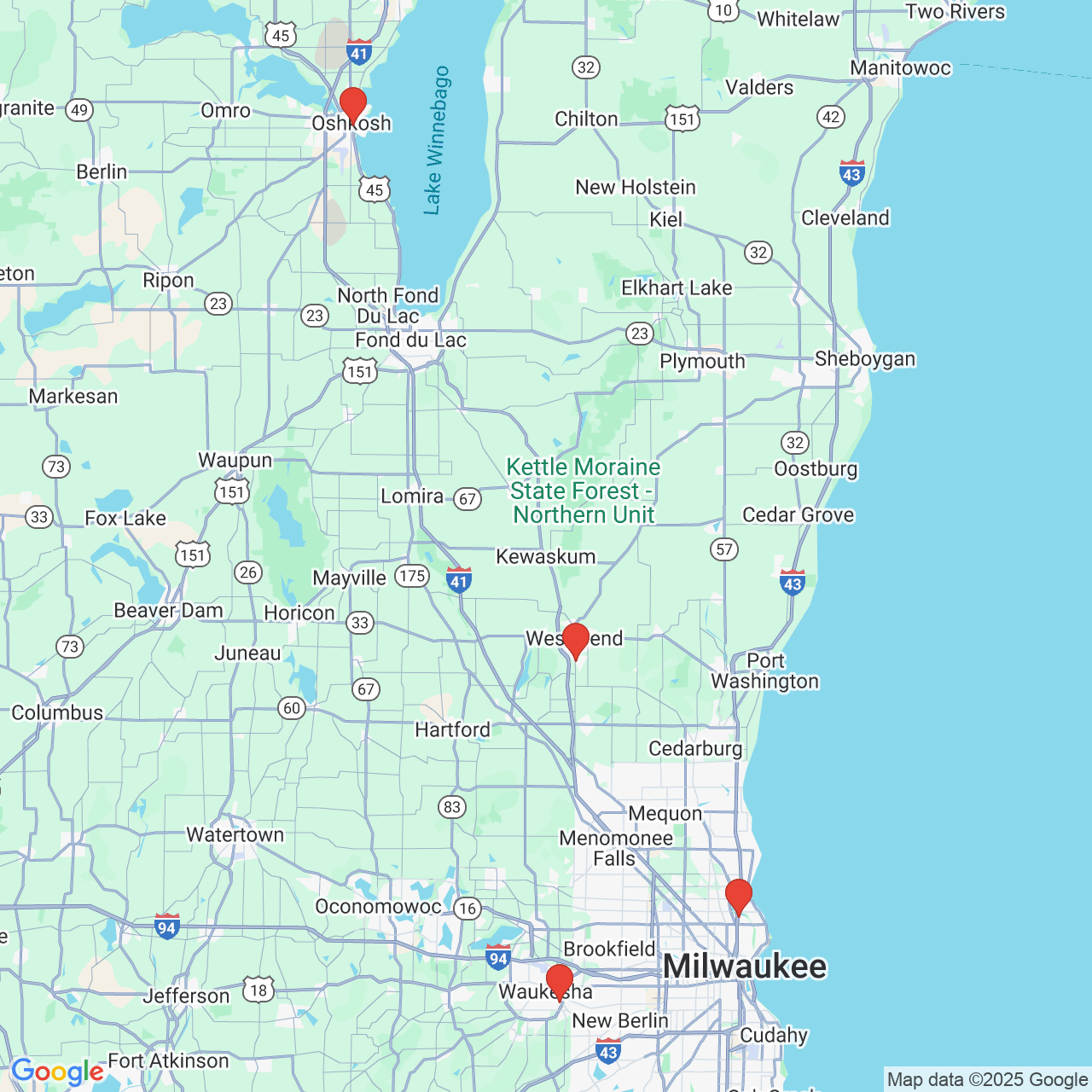
Locations
We have 4 locations in Wisconsin.
"Mr. Mishlove was worth every penny and then some. I would consider him the Michelangelo of the DUI defense world.
He is professional, dedicated, and pours his heart into his job. I would give him 10 stars if I could." Ronald S.